Mission Control.
One platform for pipeline, projects, invoicing and finance, where every number is derived from the work rather than typed in again. Including an AI advisor that is only allowed to interpret figures the system calculated.
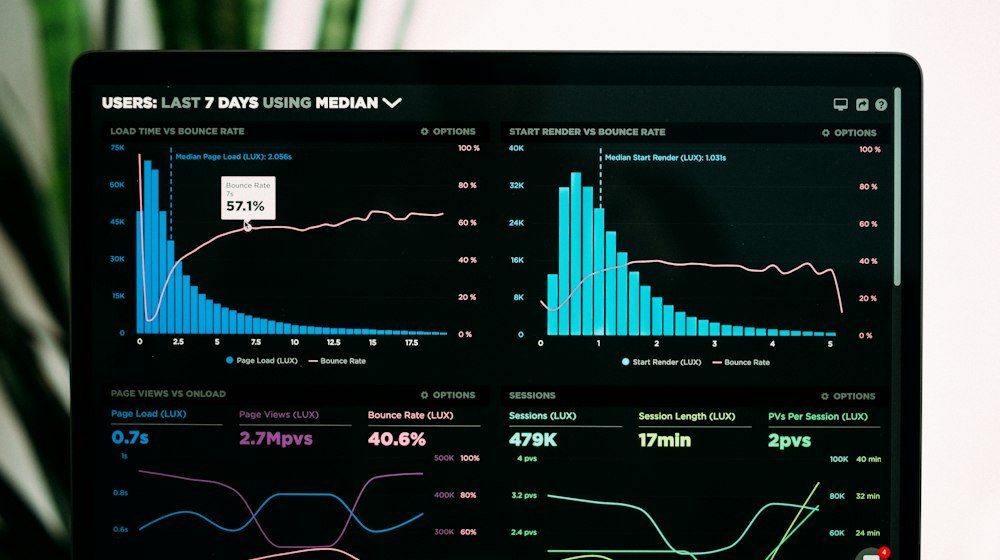
Six tools, six versions of the truth.
A growing company accumulates software the way it accumulates process: a CRM, a project tool, a spreadsheet for invoices, another for costs, and a founder’s own file that reconciles them at month end.
Each is defensible alone. Together they mean the same client exists four times under four slightly different names, a project is marked complete while its invoice is still a draft, and nobody can say what a month actually earned without a day of work first.
Mission Control is the alternative: one record of a client, one chain from lead to payment, and a profit and loss that is a consequence of the work rather than a separate exercise.
What it covers
Six areas, built as one system rather than integrated after the fact.
Pipeline
Lead intake through to a won deal. A calling queue built for volume, outcomes that record a commitment rather than a feeling, and saved views a team shares or keeps private.
Projects
A task board where completion rolls up: tick the work and the milestone follows, so a project status is derived from what has actually been done rather than typed in by hand.
Invoicing
Invoices with a payment ledger behind them, so partial payments are first-class. Status is derived from what has been received, and revenue lands in the right period.
Finance
A profit and loss built from a real cost ledger, with payees, payslips and break-even. Currency is fixed at the moment of entry, so last quarter’s report does not move when a rate does.
Records
Companies and people as separate, linked entities, with one timeline per record: deals, projects, invoices, calls, notes and email in the order they happened.
Access
Roles down to the page. Compensation and finance sit behind their own tier, enforced in the database rather than hidden in the interface.
How it is built
Three decisions that shape everything else in the platform.
The system computes, the AI explains
Every figure the advisor talks about is calculated deterministically before the model ever sees it. The AI interprets what it is given, cites it, and says so when a number is missing. It never does the arithmetic and never recalls a figure from memory. That is the difference between an assistant you can take a hiring decision on and one you have to double-check.
Derived, not re-typed
Milestone status comes from its tasks. Invoice status comes from its payments. Client identity resolves from a single record rather than a name copied into four places. Anything a person types twice is a number that will eventually disagree with itself.
Decisions recorded where they apply
Whether a contractor is cost of sale or overhead, what counts as an essential cost, which exchange rate applied in March. These are judgements, not defaults, and the platform holds them explicitly so a report can be explained a year later.
Built on
A stack chosen so a small team can run it without an operations department behind it.
Built for the way a company actually runs.
An operations platform is only worth having if people use it instead of their spreadsheet, and they only do that when it is faster than the spreadsheet and never disagrees with itself. That is a product decision long before it is an engineering one.
If your operation runs across tools that no longer agree, this is the kind of system we build, shaped around your process rather than ours.
Start a project →